
Pinterest Affiliate Marketing - 5 Myths Debunked (Read This Before You Start)
13 June 2026
Pinterest is not just a place for recipes or home decor anymore. With more than 570 million users and over $855 million in quarterly revenue, it has become a major platform for traffic, product discovery, and monetization.
As affiliate marketing continues to grow into a multibillion-dollar industry, more creators and small businesses are turning to Pinterest as a way to earn income through content. However, while the potential is real, the path is often misunderstood.
From viral claims to overhyped shortcuts, there is a lot of noise around Pinterest affiliate marketing that can lead people in the wrong direction. And if you’re just getting started, knowing what to avoid is just as important as knowing what to do.
In this post, we’re breaking down five common myths that can hold your account back before it even takes off. Whether you’re completely new or already experimenting with affiliate links, this will give you a smarter and more realistic foundation to build on.
5 Pinterest Affiliate Marketing Myths – Debunked!
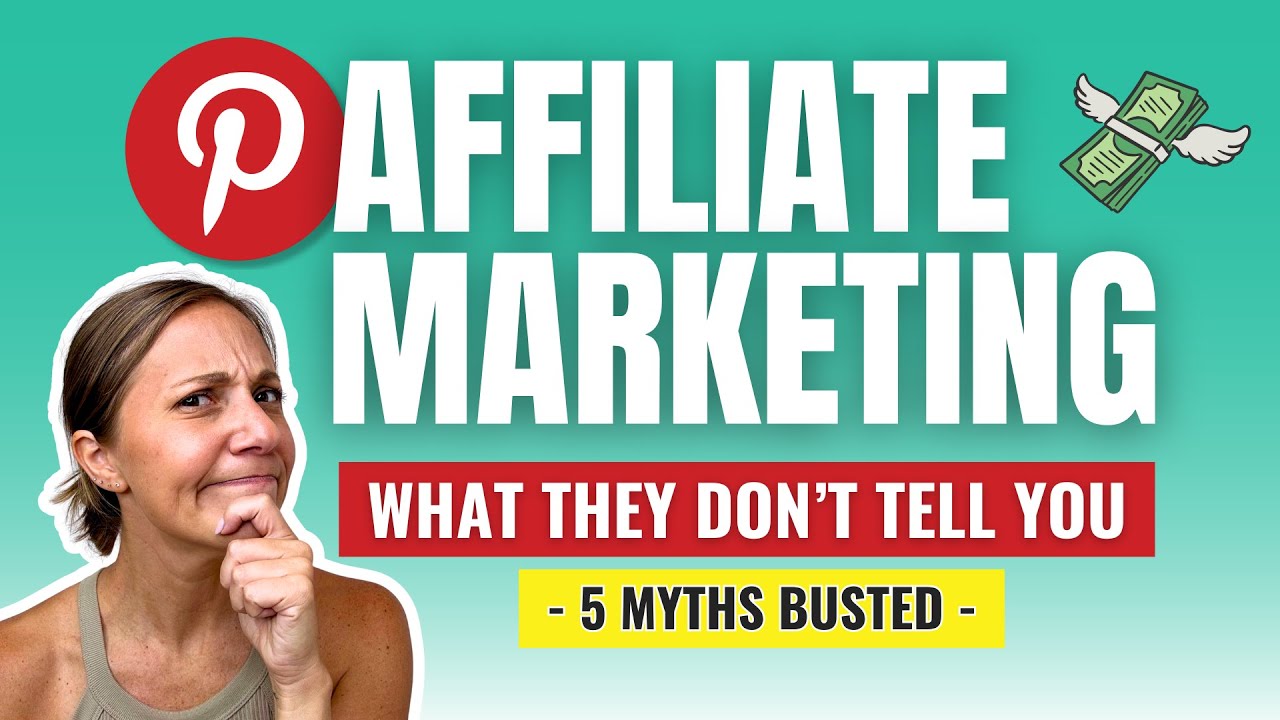
Prefer to watch instead? We’ve got a short video version of this guide on our YouTube channel, where we walk through each myth and what to do instead. You can watch it here or keep reading for the full breakdown.
Myth #1: You need a huge following to make money on Pinterest
A common misconception about Pinterest affiliate marketing is that success depends on having a large audience. Unlike Instagram or TikTok, Pinterest isn’t a social media platform, it’s a visual search engine. This means traffic is driven by keywords, not follower count, and this is great news for people who are just starting out.
Even new accounts with zero followers can gain traction quickly if they’re using the right SEO strategy. The Pinterest algorithm prioritizes high-quality, relevant content, so if your pins match what people are actively searching for, then you have a real chance at ranking and getting clicks.
Instead of focusing on follower growth, focus on:
- Targeted keywords in your pin titles and descriptions
- Eye-catching, branded visuals
- Clear calls to action that link to valuable content (like blogs or landing pages)
And if you’re just getting started with SEO, tools like Pinterest Trends and Pin Generator can help you find high-performing keywords and automate the process of creating and scheduling pins.

Myth #2: You’ll make $1,000 your first month
You’ve seen the headlines, “I made $1,000 in my first week!” or “How I earn $10K a month pinning part-time.” And while those stories aren’t always fake, they don’t reflect the full picture, especially for beginners.
In reality, Pinterest affiliate marketing takes time to ramp up. You’ll need to find a niche, test content style, assess which affiliate programs convert best, and structure your pinning strategy. Your first few weeks will likely involve a lot of trial and error, and that’s normal.
While $1,000 USD months are possible, they are often not likely in the first few months as you figure everything out. What’s more realistic is that your early pins may not perform right away, some affiliate programs will work better than others, and traffic will build slowly before snowballing over time.
Once you’ve built a system (even a simple one) the process becomes easier to scale, and one high-performing pin can bring traffic and sales for months. And with consistent publishing, it’s easy to see multiple pins go viral too.
Remember, this isn’t a get-rich-quick strategy. Affiliate marketing is a long game, so setting yourself up (expectations included) is important to succeed.
Myth #3: Pinterest affiliate marketing is passive income
Pinterest affiliate marketing can be scalable, but it’s not completely passive. You can’t just add a few affiliate links into pins and expect them to bring in income for months. Pinterest prioritizes fresh, high-quality content, meaning you need to consistently publish new pins, update links, and test what works. You don’t need to be online every day, but ongoing effort is required.
The good news? Once you establish a workflow, much of it can be automated.
Tools like Pin Generator allow you to batch design pins, schedule them in advance, and keep a consistent publishing rhythm without spending hours in Canva or a scheduler every week. That’s where the scalable part kicks in. Pinterest affiliate marketing isn’t “set it and forget it,” but with the right system, it becomes repeatable, efficient, and sustainable. And over time, that’s what drives consistent income without constant burnout.

Myth #4: You’ll get approved for every affiliate program
One thing many Pinterest affiliate marketing guides forget to mention is that it’s not always simple to get approved for an affiliate program or platform. Often, new creators will be required to have a website or social proof in order to apply.
Many affiliate programs want to make sure you’re able to stay consistent and drive traffic to the links, as the goal of the platform is to generate sales for brands. This means you may need a website, strong social presence, consistent content, and traffic data.
Not all brands will require this. The best way to find out is to search Google for “top affiliate program in [niche] for beginners” to understand the requirements for getting started.
If you’re just starting out, focus on low-barrier programs and networks while you grow. Platforms like LTK, Awin, or niche-specific marketplaces often have easier approval processes and give you room to test and learn.
Don’t get discouraged by a few rejections. Know which programs you want to apply for and work towards meeting those requirements for approval. If you need a website or blog, we have an upcoming YouTube video explaining exactly how to set that up, so be sure to subscribe to the channel and stay connected.

Myth #5: You can add affiliate links directly on Pinterest pins
This is one of the most common beginner mistakes, and the fastest way to get your account flagged or de-prioritized. While Pinterest technically allows affiliate links, adding them directly into a pin can be risky. It often triggers Pinterest’s spam filters, offers no added value to the user, and can harm your account’s visibility over time.
Here’s what to do instead:
- Create a landing page, blog post, or product review that offers helpful content first
- Embed your affiliate links into those pages, not directly into the pin
- Link your pin to the value-based content, not the product URL
This approach builds trust, improves conversions, and aligns with Pinterest’s best practices. It also helps your content get shared and repinned because people are far more likely to share something helpful than something salesy.
Even a free website or basic landing page can be enough to get started. And once that’s set up, tools like Pin Generator help you create, schedule, and optimize the content pipeline that drives consistent traffic to your affiliate content.
Ready to Start Pinterest Affiliate Marketing?
Pinterest affiliate marketing is one of the most accessible, scalable ways to build income online, especially if you’re just getting started. But like any strategy that works, it takes more than a few viral pins or copy-paste tactics to see long-term success. By setting realistic expectations, avoiding common pitfalls, and focusing on value-driven content, you can create a system that builds traffic and income over time.
Want more tips like these? Subscribe to our YouTube channel for weekly tutorials, walkthroughs, and strategy deep dives. We’re covering exactly how to set up a website and affiliate marketing strategy in our next video.
And if you’re ready to get started, try out Pin Generator for free today!