
How to Sell Digital Products on Pinterest - Easy Marketing Strategy
13 June 2026
If you sell digital products like printables, planners, or templates, you may already have an Etsy or Shopify store, but how do you get people to visit your shop? While social media can be useful, it isn’t always the most effective way to drive traffic and get your products seen. However, there is a better solution – Pinterest.
Pinterest functions as a search engine similar to Google or YouTube, and according to Pinterest’s Q2 2025 report, the platform now has over 578 million monthly active users with more than 80% of weekly Pinners inspired to purchase a product after discovering it on Pinterest. That kind of intent-driven audience makes Pinterest one of the best platforms for conversions and selling digital products.
If you haven’t considered using Pinterest as part of your marketing strategy, this article is a great place to start. We’ll walk through an easy marketing strategy for digital products, including how to set clear goals, build a strong call-to-action, and use an email list to increase sales.
Clarifying Your Marketing Goals & CTA
Before you start pinning, the first step is to get clear on your marketing goals. What do you want someone to do when they land on your pin? Do you want them to visit your shop, download a free resource, or make a purchase right away? Defining your end goal will help inform the words, visuals, and links you use across your entire Pinterest strategy.
While the obvious answer might be, “I want sales,” it’s worth considering the long-term benefits of growing an email list. Offering something valuable for free in exchange for an email address not only gives potential customers a sample of what you offer, but it also gives you a direct way to follow up with them outside of Pinterest. With an email list, you can send promotions, discount codes, and exclusive content without relying on changing algorithms.
This doesn’t mean that every pin needs to point to an email signup form. Each pin can have its own call-to-action (CTA), but overall you’ll want to decide on your main goal and make sure your profile, boards, and pins all work together to drive towards it. If your goal is email growth, build pins around your freebie and nurture sales through email. If your goal is to push traffic straight to your shop, design your CTAs around that.
Being too vague is one of the most common mistakes digital product sellers make. On Pinterest specifically, you need to guide users clearly to the action they should take. Instead of simply writing “Printable Planner” on your pin, try “Download your free daily planner today” or “Shop the full template bundle here.” A clear, action-oriented CTA is what gets clicks and conversions.
If you’d prefer to watch this instead of read, we’re covering everything in our latest YouTube video:
Lead Magnets and Freebies for Growth
One of the best ways to build momentum with digital products on Pinterest is by offering a lead magnet or freebie. A lead magnet is simply something valuable you give away for free in exchange for an email address. It could be a sample of your product, a checklist, a mini-template, or even a short guide that aligns with what you sell.
Why does this matter? While a product sale is great, an email list is often more valuable long term. Once someone joins your list, you have a direct line to their inbox, where you can build trust, share tips, and promote your paid products without relying on algorithms or outside platforms.
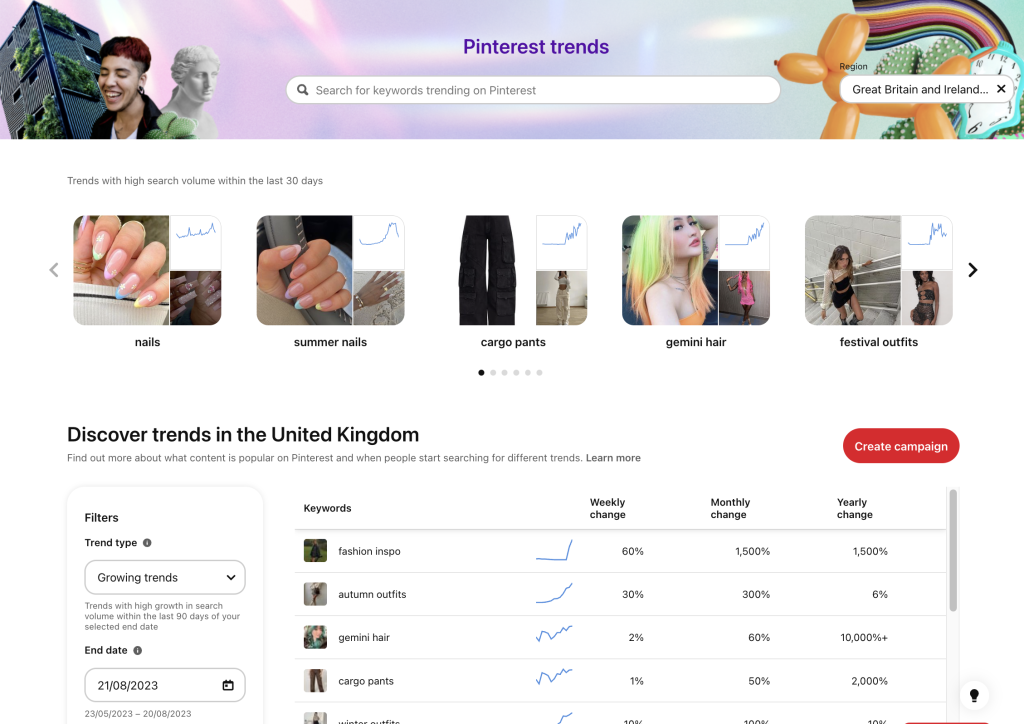
Think about it like this – a free daily planner page can lead someone to buy your full planner bundle, or a free checklist for setting up an online shop could turn into sales for your full course. Have you seen our free Pinterest mini-course yet? It’s worth checking out!
Pinterest is the perfect platform to promote these offers because users are already in “search mode.” They’re looking for ideas and solutions, and a free download that solves a problem is exactly the kind of content they’ll click on.
Driving Traffic with SEO and Keywords
Pinterest isn’t social media, it’s a search engine. This means keywords are the foundation of how your content gets discovered. If you want people to find your digital products, you need to be intentional about the words you use.
Start by thinking like your customer. If someone is looking for what you sell, what might they type into the search bar? For example, instead of “planner,” they might search “weekly meal planner template” or “minimalist budget spreadsheet.” These longer, specific phrases (long-tail keywords) are what can bring the right people directly to your pins.
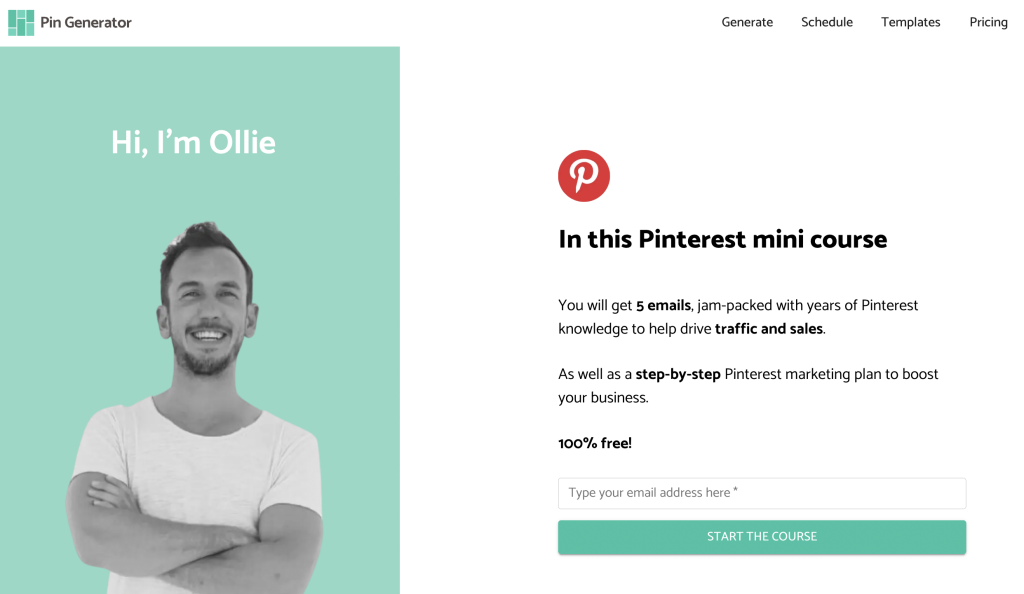
Finding these keywords is simple. Begin typing a phrase into the Pinterest search bar and watch as it autocompletes with popular search terms. Those suggestions show you exactly what people are looking for right now.
Once you’ve identified your keywords, place them naturally throughout your Pinterest account:
- Profile name and bio
- Board names and descriptions
- Pin titles and descriptions
- Text overlay of your pin images
The more clear and more relevant your keywords are, the better Pinterest can match your pins to the right audience, which means more traffic back to your shop or site.
Leveraging Pinterest Trends for Digital Products
One of the easiest ways to stay ahead on Pinterest is by paying attention to trends. Because Pinterest is search-driven, you can see what people are actively looking for and adjust your digital product marketing to match demand.
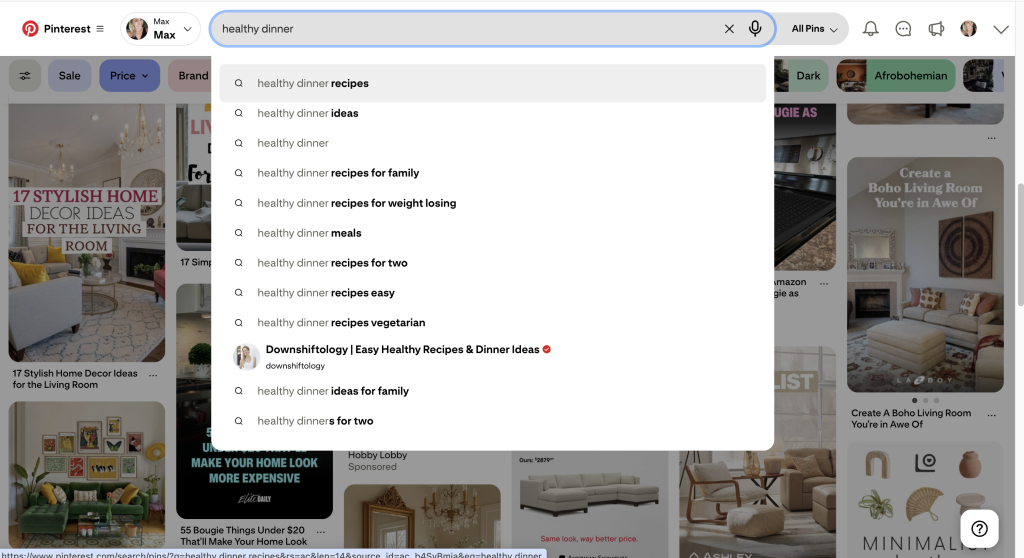
Pinterest Trends (trends.pinterest.com) is a free tool that shows you rising and seasonal searches. For example, in January, searches for “fitness planners” or “budget templates” often spike, while later in the year you’ll see an increase in terms like “holiday gift printables” or “digital coloring pages.”
If you sell digital products, tapping into these seasonal shifts can dramatically increase your visibility. Instead of promoting the same pins year-round, rotate in fresh content that aligns with what people are searching for right now. That way, you’re not only showing up in search results, but you’re showing up at the exact time users are most likely to buy.
By aligning your pinning strategy with seasonal and trending keywords, you give your digital products a better chance of being discovered by buyers who are ready to click and purchase.
Pinterest Marketing Automation
For digital products to generate true passive income, your marketing needs to work without you constantly being online, and this is where automation comes in. Instead of manually creating and uploading pins every day, you can use tools to streamline the process and stay consistent.
We recommend using Pin Generator. This tool connects directly to your store, blog, or affiliate links and automatically pulls in your product titles, descriptions, images, and URLs to generate ready-to-publish pins. You can choose from its template library or import your favorite Canva designs, keeping everything on brand.
Pin Generator also has an AutoPin feature that takes automation even further. It uses AI to create fresh titles, descriptions, and images, then publishes pins on your behalf at the frequency you choose. This keeps your account active with a steady stream of new content, helping you scale your reach while saving hours of manual work.
If your goal is to grow sales from digital products while minimizing the time you spend on marketing, automation is a no-brainer. Once your system is in place, you can set it, forget it, and let your pins keep working for you.
Want to try it out? You can test out Pin Generator for free and see how easy it is to turn Pinterest into a marketing engine for your digital products.