
Pinterest Best Tags: 10 Niches That Drive Traffic
13 November 2026
You've made a beautiful pin, written a cheerful caption, and added a fistful of hashtags for luck. Then you open your analytics and find very little happening. Apparently, the algorithm didn't appreciate the confetti.
The problem may be the language, not the design. The best Pinterest tags are search-intent signals: phrases that describe what someone wants to plan, buy, make, or celebrate. A lovely room photo needs more context than #inspiration. Small apartment living room ideas gives both the reader and your publishing workflow something useful to work with.
If you've been searching for Pinterest best tags, start with natural-language keywords rather than a universal hashtag list. Pinbuilds' guide to Pinterest hashtags distinguishes hashtag use from the broader work of aligning titles, descriptions, boards, and destination pages. User-written hashtags also aren't interchangeable with Pinterest's topic or shopping labels.
Practical rule: Write the title and description for the searcher. Write alt text for the person who needs the image described, not for a keyword quota.
The niche clusters below aren't ranked. Each offers usable keyword patterns, a title formula, a worked example, and a test. Hashtags can play a small supporting role, but they don't get to drive the bus.
Table of Contents
- 1. Home Decor Ideas
- 2. Easy Dinner Recipes
- 3. Wedding Ideas
- 4. Outfit Ideas
- 5. DIY Projects
- 6. Fitness and Workout Ideas
- 7. Travel Destinations and Itineraries
- 8. Garden and Plant Care
- 9. Beauty and Hair Ideas
- 10. Seasonal, Holiday, and Small Business Product Ideas
- The 10 Pinterest tag categories compared by keywords, audience, competition, and content cycle
- Turn These Tags Into a Repeatable Pin System
1. Home Decor Ideas
A shopper searching for small apartment decor has a different problem from someone browsing home decor. They need furniture that fits, storage that doesn't look industrial, and ideas that survive contact with a rental agreement.
Build your cluster around home decor, living room ideas, and small apartment decor. Then narrow the phrase by room, style, or constraint. Don't squeeze every modifier into the same title.

Title formula: [Style or constraint] + [room] + decor ideas.
For example, a furniture retailer could publish Minimalist Living Room Ideas for Small Apartments. Link an inspiration-led pin to a room guide or curated collection, not a lonely sofa page that explains none of the styling.
Test the constraint, not everything
- Keyword variants: Compare small apartment living room ideas with renter-friendly living room decor.
- Keep stable: Use comparable imagery, the same destination, and the same relevant board.
- Measure: Compare impressions for discovery, then saves and outbound clicks for usefulness.
Use stylish small space furnishing tips as an example of a focused destination topic. A pin promising help furnishing a small room should deliver layout and furniture advice.
The trade-off is reach versus fit. A broad room phrase may attract more browsing, while a rental-specific phrase may better match the customer you can help.
2. Easy Dinner Recipes
Dinner searches usually contain an unspoken complaint: I'm tired, the fridge is confusing, and nobody wants another complicated recipe. Your keywords should name the constraint your recipe solves.
Start with easy dinner recipes, quick weeknight meals, and meal prep ideas. Add the main ingredient, cooking method, or relevant dietary requirement. Only use a dietary label when the complete recipe supports it.
Title formula: [Convenience benefit] + [ingredient or dish] + [meal context].
A food blogger could turn a chicken recipe into Easy Chicken and Broccoli Stir-Fry for Weeknight Dinners. Another variation might emphasize Chicken Meal Prep Bowls, but only if the article includes storage and reheating guidance.
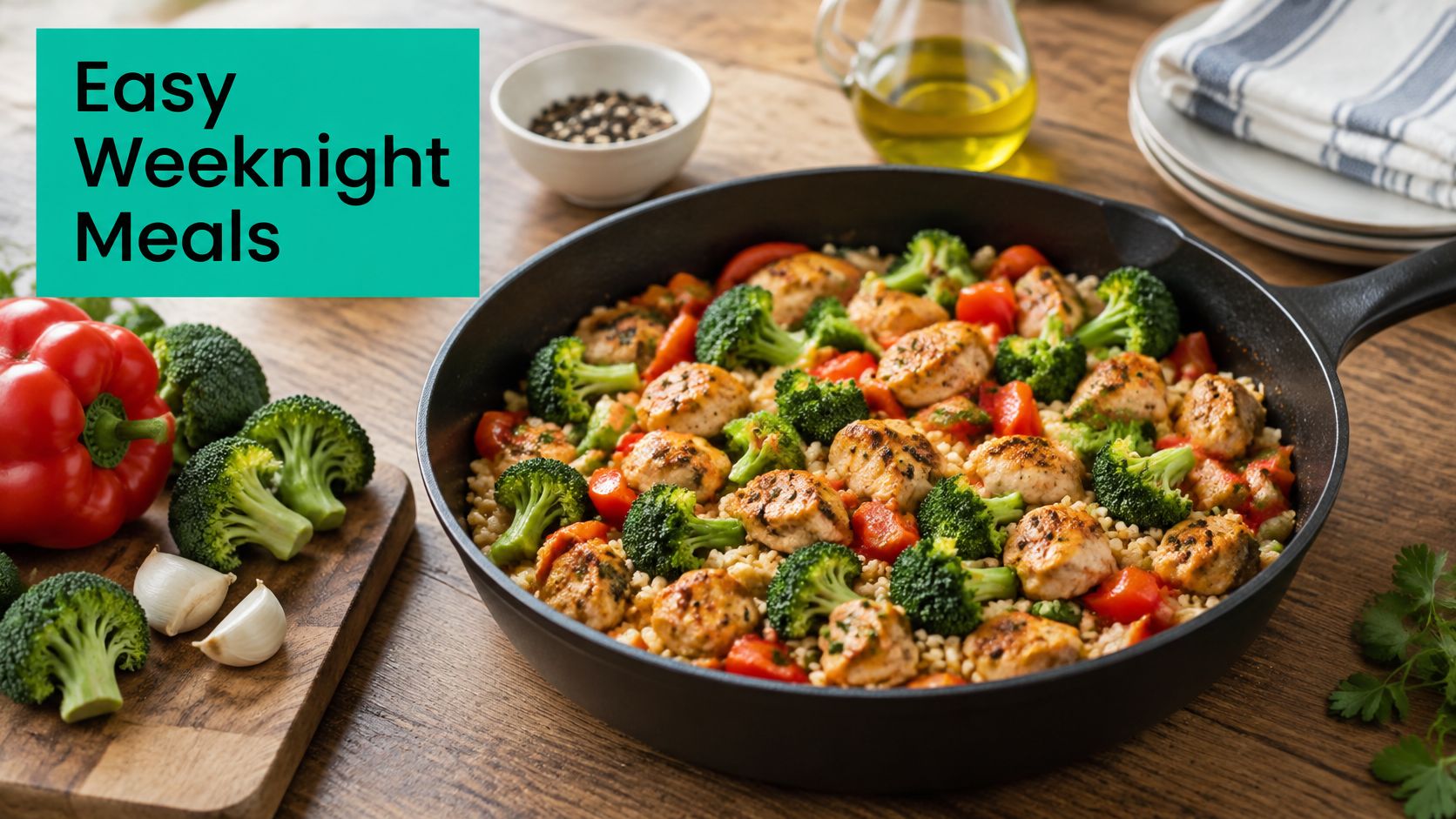
Separate cooking intent from planning intent
Test quick weeknight meals against meal prep ideas using the same recipe and comparable designs. Record impressions, saves, and outbound clicks for each keyword angle.
A meal-prep pin that earns saves but few clicks may appeal to planners without giving them enough reason to open the recipe. Show the finished dish clearly, then explain what the full page adds, such as substitutions or preparation instructions.
For batch production, map recipe fields to metadata before importing content through RSS or CSV. Don't let an automated title promise a cooking time that the recipe never states. Dinner already has enough surprises.
3. Wedding Ideas
Wedding ideas is a starting point, not a finished targeting decision. A couple choosing colors needs different content from someone ready to order reception stationery.
Organize the cluster around wedding decor, bridal inspiration, wedding color palette, and the actual planning task. Add a season, venue style, material, or budget positioning when it describes the offer.
Search Engine Journal reported that 96% of Pinterest's top searches were unbranded in 2024. For a florist or stationery seller, that supports leading with the design someone wants rather than making the business name the headline.
- Planning intent: Sage Green Wedding Color Palette for a Garden Reception.
- Product intent: Sage Green Wedding Invitations with Botanical Details.
- Board context: Garden Wedding Decor is clearer than Our Beautiful Work.
Title formula: [Season or aesthetic] + [wedding element] + [planning benefit or venue].
Match the destination to the decision
Say a florist creates Fall Wedding Bouquet Ideas with Burgundy Flowers. An inspiration gallery can satisfy early planning, while a consultation page needs examples and a clear next step.
Test a color-led phrase against a seasonal phrase while keeping the bouquet and destination comparable. Track impressions and saves, then consultation visits or inquiries through tagged links.
Don't declare the most-saved pin your sales winner automatically. Couples may save an aspirational arrangement that's nowhere near their budget. Useful discovery and qualified demand are related, but they aren't twins.
4. Outfit Ideas
A camel coat can support several searches: fall outfits, capsule wardrobe, or work outfit ideas. Choose the use case the image demonstrates instead of attaching every fashion phrase available.
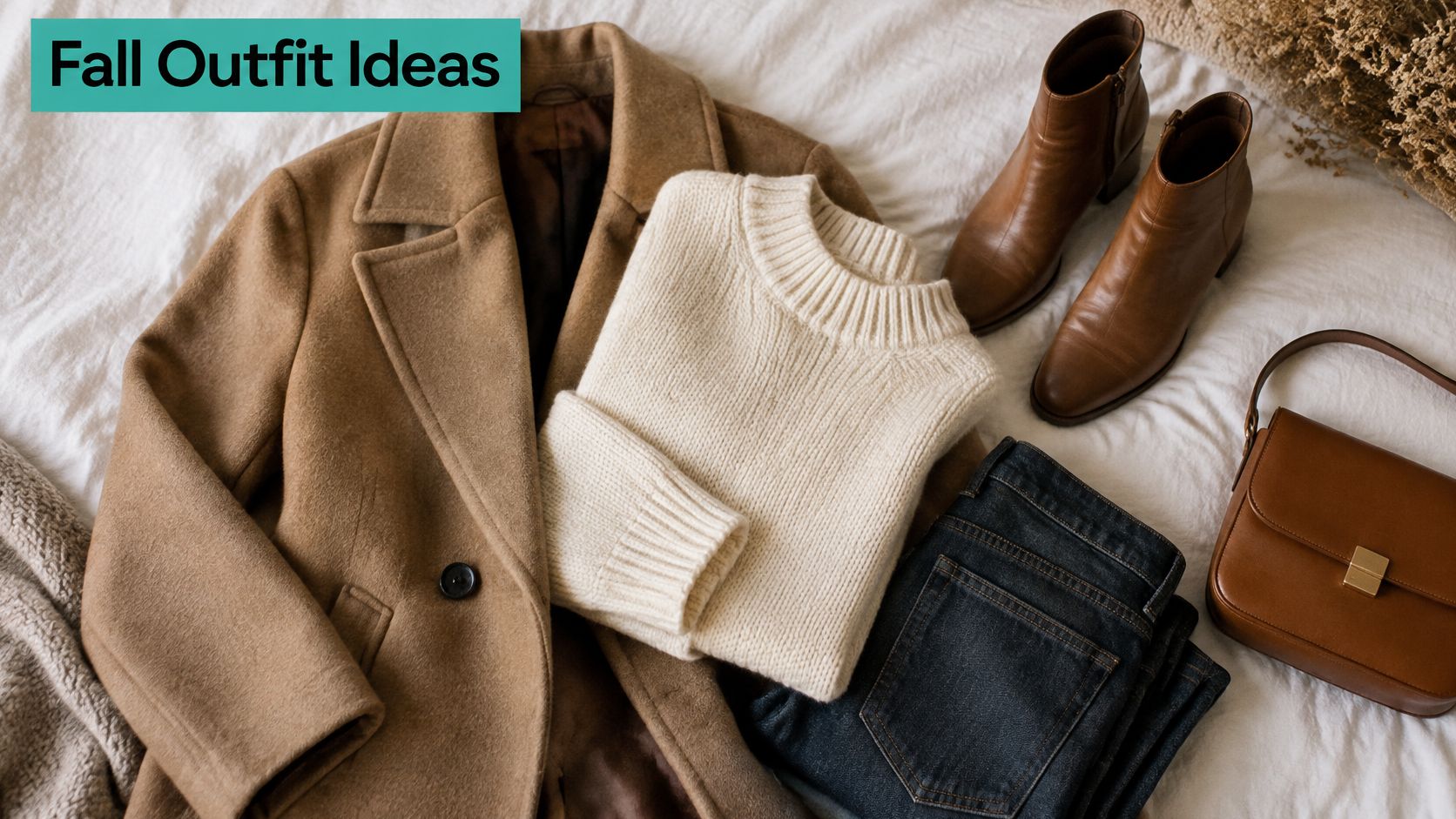
Title formula: [Season] + [occasion] + outfit ideas + [style modifier].
A boutique might use Casual Fall Outfit Ideas for Creative Offices. A wardrobe blogger could use Minimalist Fall Capsule Wardrobe Basics for a guide featuring the same coat.
Give each outfit a clear job
- Occasion cluster: Work outfit ideas, casual office outfits, fall workwear.
- Wardrobe cluster: Capsule wardrobe, neutral wardrobe basics, minimalist outfits.
- Aesthetic cluster: Streetwear outfit, relaxed tailoring, monochrome outfit ideas.
Test occasion-led wording against aesthetic-led wording with comparable outfit images. Compare impressions and outbound click rate, then inspect product-page visits or purchases where tracking allows.
The trade-off is visual inspiration versus shopping clarity. A collage can communicate a complete wardrobe, but a clearly styled outfit makes it easier to understand what's being recommended.
Keep destination links current. If the featured coat is unavailable, send visitors to a relevant replacement or update the creative. Don't promise a specific outfit and deliver a generic store homepage.
Describe the garments and arrangement naturally in alt text. There's no need to make a screen reader recite your entire seasonal keyword plan.
5. DIY Projects
DIY projects attracts broad curiosity. Beginner sewing projects for adding pockets tells you what the searcher intends to do.
Use easy DIY crafts, DIY home projects, and DIY gifts as organizing clusters. Narrow them with the material, skill level, tool, or finished object.
Title formula: How to make [finished object] + [material or beginner qualifier].
A craft publisher could create How to Make a Beginner-Friendly Fabric Gift Bag. A clothing brand could build a practical tutorial around sewing secret pockets into clothes, rather than tagging the pin with unrelated fashion trends.
A project pin should show what the reader can make, not just how attractively you arranged the supplies.
Test outcome language against instruction language
Compare DIY fabric gift bag ideas with how to sew a fabric gift bag for the same tutorial. Keep the finished-project image consistent so you're testing the phrase rather than the photography.
Track impressions, saves, and outbound clicks. Idea-led wording may attract collectors; instructional wording may attract people ready to start cutting fabric.
List essential materials naturally in the description. Fabric, plywood, air-dry clay, and leftover yarn can be useful search modifiers when they're central to the project.
Be honest about difficulty. Calling a power-tool project easy doesn't make it beginner-friendly. If the tutorial requires specialist equipment, say so before the reader clicks and discovers their kitchen scissors won't be helping.
6. Fitness and Workout Ideas
For fitness content, the useful modifiers are often location, experience level, equipment, and routine type. They tell readers whether the session fits their circumstances without drifting into questionable transformation promises.
Build around home workout, beginner workout plan, at-home fitness, and relevant audience phrases. Use workout routine for women only when the content addresses that audience, not as a default label for any exercise photo.
Title formula: [Experience level] + [location] + workout + [equipment or focus].
A coach could publish Beginner Home Workout with Resistance Bands. An equipment retailer might target Small-Space Home Gym Setup Ideas, which serves a buying and planning need rather than an exercise instruction need.
Keep the promise practical
- Describe the routine: Name the equipment, movement focus, and intended experience level.
- Avoid guarantees: Don't promise specific weight loss, pain relief, or medical outcomes.
- Describe the image: Alt text should identify the exercise and visible equipment accurately.
Test beginner home workout against resistance band workout for beginners using the same routine. Compare impressions and saves, then track visits to the complete instructions.
A broader phrase may reach people without the equipment. The narrower phrase may attract fewer but better-matched visitors.
If saves look healthy but clicks don't, check whether the pin already contains the complete routine. That may be useful content, but it isn't evidence that the keyword is generating website traffic.
7. Travel Destinations and Itineraries
Things to do in Lisbon and Lisbon weekend itinerary describe different planning jobs. The first invites browsing; the second asks you to arrange the trip.
Start with travel itinerary, things to do in, travel tips, and weekend getaway. Add the destination, departure city, travel style, or practical constraint.
Title formula: [Destination] + [trip format] + itinerary for [traveler or constraint].
For example, Lisbon Weekend Itinerary for First-Time Visitors should lead to an ordered plan, not an unordered collection of pretty viewpoints. Weekend Getaway Ideas from New York needs realistic departure context rather than an arbitrary list of destinations.
Test the planning job
Compare an itinerary-led title with a things-to-do title for a guide that serves both needs. Use comparable visuals and separate campaign labels in your destination URLs.
- Discovery measure: Compare impressions across matched publishing windows.
- Usefulness measure: Compare saves and outbound click rate.
- Business measure: Track relevant booking clicks, inquiries, or affiliate activity.
The trade-off is breadth versus commitment. A destination list can attract daydreamers, while an itinerary promises more practical organization.
Keep transport details, opening information, and any published prices accurate on the destination page. Don't add budget to a title unless the guide explains the actual cost-saving choices.
Disclose affiliate relationships clearly. A reader choosing where to sleep shouldn't need detective skills to understand why a hotel appears in your recommendations.
8. Garden and Plant Care
A gardener with a shaded balcony doesn't need the same advice as someone planning a sunny backyard bed. Space, light, plant type, and local growing conditions make useful keyword modifiers.
Use garden ideas, backyard garden design, indoor plant care, and vegetable garden for beginners as cluster headings. Choose a focused phrase for each pin rather than treating them as interchangeable tags.
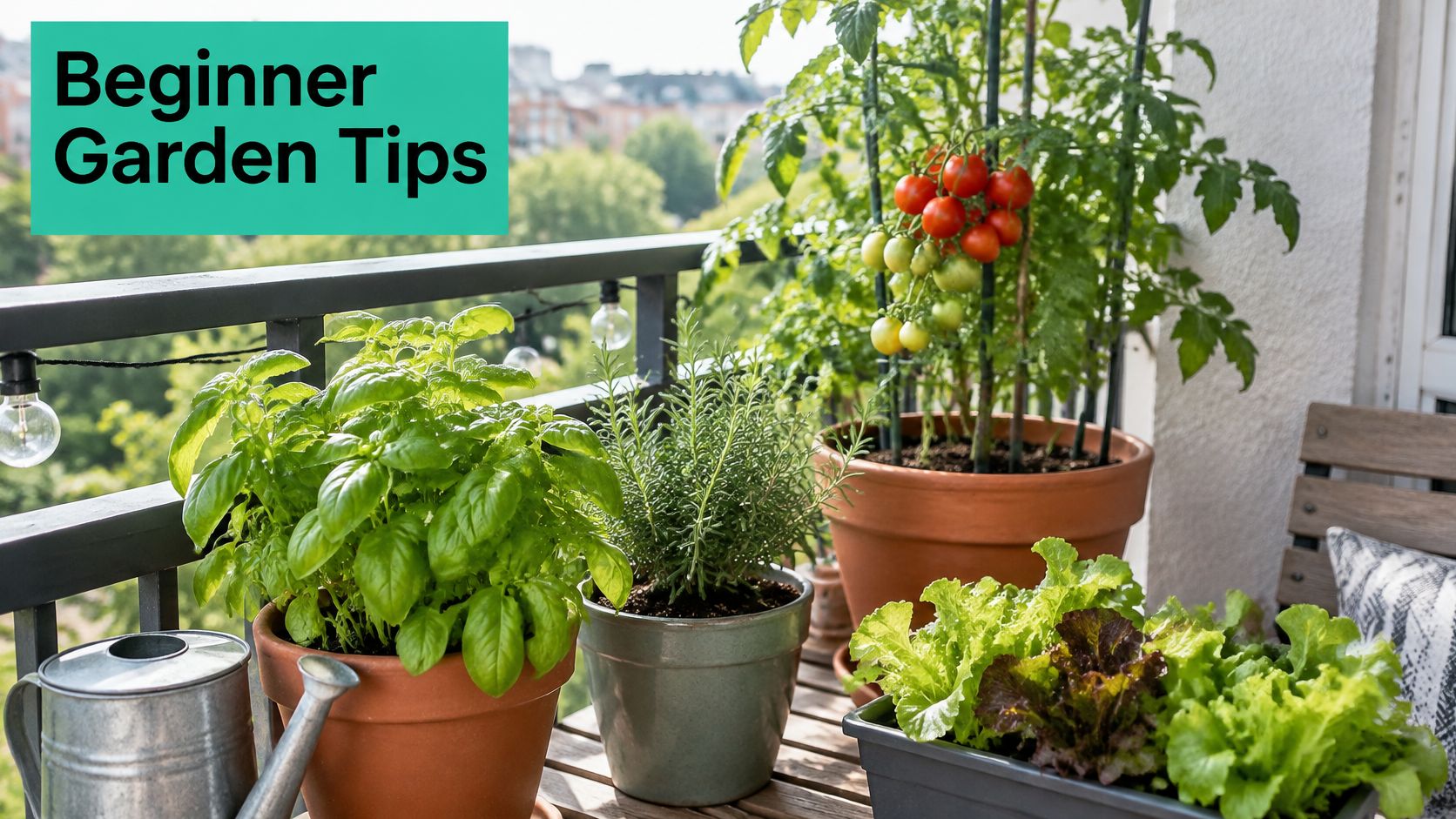
Title formula: [Plant or garden type] + [space or condition] + [care task or idea].
A nursery could publish Low-Maintenance Indoor Plants for Bright Apartments. A gardening publisher could use Small Balcony Vegetable Garden Ideas for Beginners, supported by practical container and light guidance.
Separate inspiration from care
Test a design phrase such as indoor garden ideas against a care phrase such as indoor plant care for beginners. Use content that can satisfy either promise, then compare impressions, saves, and visits to the care instructions.
The guide to building Pinterest traffic for a gardening blog can help connect those keyword groups to a publishing routine. For the destination itself, indoor plant setup tips for beginners illustrates a focused entry-level topic.
Avoid universal planting dates or watering instructions. Climate, exposure, containers, and plant species change the advice. Specificity helps readers, but excessive local modifiers can narrow your potential audience, so test local and broader variants separately.
9. Beauty and Hair Ideas
Easy hairstyles is a promise about effort. Hairstyles for short hair is a promise about suitability. Combine them only when the tutorial satisfies both.
Build separate clusters for hairstyles for short hair, easy hairstyles, skincare routine, and makeup tutorial. A single beauty board doesn't justify mixing unrelated search phrases into every description.
Title formula: [Technique or routine] + for [hair length, skin type, or occasion].
A salon could publish Easy Wedding Guest Hairstyles for Short Hair and link to a tutorial or relevant styling service. A retailer could publish Morning Skincare Routine for Oily Skin, provided the destination explains the routine rather than displaying a product bundle.
Keep the claim visible: Describe the technique, finish, or routine. Don't turn a cosmetic pin into an unsupported treatment promise.
Test suitability against occasion
For a hairstyle tutorial, compare hair-length wording with occasion-led wording. Keep the model, hairstyle, destination, and layout comparable.
Record impressions and saves, then booking-page visits or product clicks. If occasion wording attracts attention but not relevant visits, the service or tutorial may not match what those searchers need.
Show the finished result clearly and use instructional images where they help explain the technique. Include varied hair textures, skin tones, and models where relevant to the content.
Don't label a style universal when the instructions only demonstrate it on a particular hair type. Clear limits are more useful than heroic adjectives.
10. Seasonal, Holiday, and Small Business Product Ideas
Seasonal keywords need both calendar relevance and product relevance. Christmas decorations won't rescue a pin showing an unrelated item, no matter how enthusiastically you add sparkle.
Group phrases by the job: Halloween decor ideas, Thanksgiving recipes, Easter crafts, handmade gifts, or shop [category] online. Keep product photography separate when the reader wants to learn photography rather than buy the item being photographed.
Pinterest Trends lets users compare keyword interest and examine seasonal changes, but its normalized graphs show relative demand rather than absolute search counts. A rising phrase is a testing opportunity, not proof of a giant audience.
Title formula: [Holiday or recipient] + [specific product] + [use case or distinguishing feature].
Keep evergreen and seasonal variants
- Evergreen angle: Handmade Ceramic Candle Holders for Dining Tables.
- Seasonal angle: Christmas Table Decor with Handmade Ceramic Candle Holders.
- Recipient angle: Handmade Housewarming Gifts for Candle Lovers.
Test seasonal wording against an evergreen product phrase using comparable creatives. Track impressions, outbound clicks, and purchases where available, while accounting for the changing holiday window.
Use the seasonal Pinterest marketing strategy guide to organize campaigns around changing demand. Keep products available, destinations accurate, and descriptions aligned with the actual material and use.
Don't delete an evergreen winner because a holiday phrase starts rising. Keep the durable angle and test seasonal variations alongside it. After the occasion, update obsolete offers rather than sending shoppers toward a festive dead end.
The 10 Pinterest tag categories compared by keywords, audience, competition, and content cycle
| Item | Core keywords | Best for | Competition | Content cycle |
|---|---|---|---|---|
| Home Decor Ideas | home decor, living room ideas, small apartment decor | Room inspiration, decor retailers, and home makeover content | Very high; generic terms are crowded | Long-lasting evergreen content with seasonal and trend spikes |
| Easy Dinner Recipes | easy dinner recipes, quick weeknight meals, meal prep ideas | Recipe creators, food brands, and convenience-focused meal content | High; crowded recipe niche | Evergreen with holiday and back-to-school peaks |
| Wedding Ideas | wedding ideas, wedding decor, bridal inspiration, wedding color palette | Wedding vendors, planners, and couples planning by theme or season | High; trends shift quickly | Long planning cycle with seasonal updates |
| Outfit Ideas | outfit ideas, fall outfits, capsule wardrobe, streetwear outfit | Fashion creators and retailers with shoppable products | High; major publishers and retailers compete | Seasonal and trend-driven; refresh regularly |
| DIY Projects | DIY projects, easy DIY crafts, DIY home projects, DIY gifts | Tutorial creators, craft sellers, and home improvement brands | High in popular craft niches | Evergreen tutorials with project and holiday peaks |
| Fitness and Workout Ideas | home workout, beginner workout plan, workout routine for women, at-home fitness | Trainers, fitness brands, and routine or equipment content | High; many creators compete | Evergreen with January and summer spikes |
| Travel Destinations and Itineraries | travel itinerary, things to do in, travel tips, weekend getaway | Travel bloggers, tour operators, and booking affiliates | High; large travel publishers compete | Long planning cycle with seasonal peaks; update details regularly |
| Garden and Plant Care | garden ideas, backyard garden design, indoor plant care, vegetable garden for beginners | Garden centers, plant retailers, and practical growing guides | Moderate to high; varies by topic | Seasonal, especially spring and early summer, with evergreen care content |
| Beauty and Hair Ideas | hairstyles for short hair, easy hairstyles, skincare routine, makeup tutorial | Salons, beauty creators, and product retailers | High; large creators and brands compete | Evergreen tutorials with occasion and trend updates |
| Seasonal, Holiday, and Small Business Product Ideas | Halloween decor ideas, Christmas decorations, Thanksgiving recipes, Easter crafts, handmade gifts, product photography, shop category online | Small businesses and retailers promoting seasonal products and gift ideas | Very high near major holidays | Calendar-driven; publish weeks in advance and refresh after holidays |
Turn These Tags Into a Repeatable Pin System
Start with two clusters that match content or products you already have. Write five candidate titles per cluster, using a head term plus a meaningful modifier. Treat this as a manageable production exercise, not a prescribed posting volume.
Choose a primary phrase for each pin. Put it naturally in the title and opening sentence of the description, then choose a relevant board and destination. Include that language in alt text only when it accurately describes the image; accessibility comes before repetition.
Build a controlled comparison
Keep hashtags optional and descriptive. Historical Pinterest hashtag guidance summarized by MultiCalculators emphasizes relevance and notes that hashtag-feed visibility depended on signals beyond the hashtag itself. There's no reason to turn a useful description into a label warehouse.
- Change one variable: Test the keyword phrase, title construction, or board placement separately.
- Fix the review window: Choose a consistent interval before publishing and compare pins at similar ages.
- Record the context: Log the phrase, destination, board, creative, publication date, and test variable.
- Track the outcome: Record impressions, saves, outbound clicks, and relevant website actions.
Impressions tell you whether a pin was shown, not which metadata field caused the exposure. Saves suggest usefulness, while outbound clicks show movement toward your site. Treat a winning keyword as a working hypothesis until comparable variations support it.
Turn results into the next batch
Separate reach winners from traffic winners. A broad phrase may deserve a place in your inspiration content even when a narrower phrase produces more qualified visits. Don't discard either without considering its job.
With Pin Generator, our automatic SEO researches Pinterest keywords for each batch, and our AI writes titles and descriptions around the selected search phrase. Our Pin History and results leaderboard help you review outputs and identify which variations lead, while destination analytics provide the next layer of business results.
Automation still needs editorial oversight. Check that the selected phrase matches the image, that the title promises what the page delivers, and that the product remains available.
Carry successful phrase patterns into the next batch rather than copying identical metadata forever. The cluster you test this month becomes a better-informed template for next month's work. That's a more useful system than adding another hashtag and hoping harder.
We offer keyword research, AI-generated pin designs and metadata, and automated scheduling to turn relevant search phrases into a repeatable publishing workflow. Visit Pin Generator to build your next batch around a focused niche cluster, then use our history and leaderboard views to review which outputs deserve another variation.