
6 Pinterest Myths You Need to Stop Believing in 2026
13 June 2026
If you’ve spent any time researching Pinterest marketing, you’ve probably come across advice that seems contradicting or confusing. A lot of it may have been accurate a few years ago, but with the addition of AI, automation, and a variety of third party tools, many rules have changed over the years. With over 619 million active users, Pinterest is a platform where you want to make sure your content and pins are actually getting seen.
If you’re unsure how to get started or looking for best practices you can actually trust, today we’re busting six of the most common Pinterest myths and sharing what’s actually working in 2026.
Myth 1: You need a lot of followers to get traffic
Believing that you need a large following to get traffic on Pinterest is one of the most common myths on the platform, and it’s probably the most common reason people give up before they even give it a real chance.
Pinterest is a search engine, not a social platform, and therefore the Pinterest algorithm does not prioritize follower count the way Instagram or TikTok does. Instead, Pinterest prioritizes relevance. When someone types a search into Pinterest, the platform serves the most relevant, well-optimized content it can find regardless of whether the creator has 200 followers or 200,000.
A brand new account with strong keywords and clear, helpful pins can absolutely outrank an established account that isn’t optimizing its content. Followers are a vanity metric on Pinterest. Saves, clicks, and relevance (keywords) are what actually move the needle.
If you’d rather watch instead of read, we’re sharing all of this in our latest YouTube video. You can watch the full video here:
Myth 2: You need to post multiple times a day to see results
There’s an old myth that you need to post twenty times per day to see results on Pinterest, and it sends a lot of people into burnout before they ever see any traction.
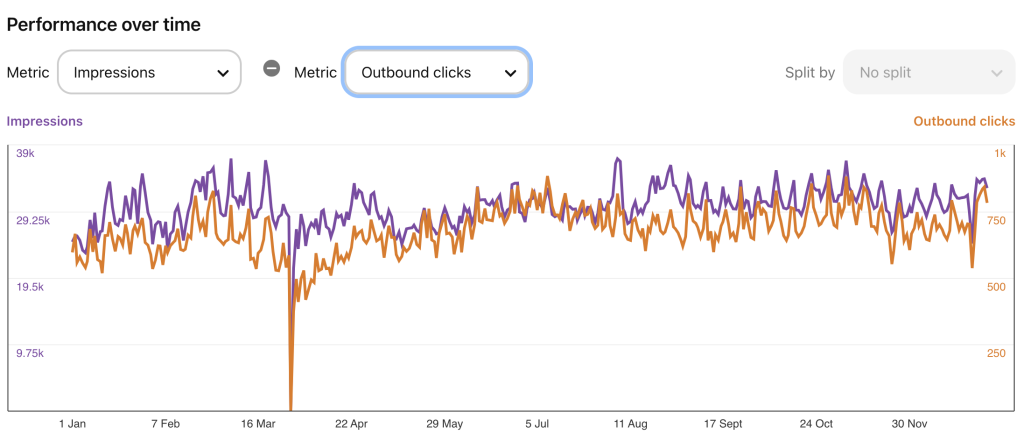
Pinterest has never had a magic number for posting frequency. Pinterest rewards consistency over time, not high pin volume in a single day. Posting one to three fresh pins per day consistently over months will outperform someone posting twenty pins in one week and then disappearing for the next three weeks.
Pinterest is a slow burn platform where most accounts start seeing real movement around the 60 to 90 day mark, and meaningful traffic growth typically takes six to twelve months. While this may feel like a long time to wait, the upside is that the content you post today can keep driving traffic for months or even years, which is a return you will never get from Instagram or TikTok.
Myth 3: You have to constantly create new content
Another common Pinterest myth is that you have to constantly create new content to stay relevant on the platform. This overwhelms a lot of bloggers and shop owners who feel like they need fresh ideas every single day just to keep up.
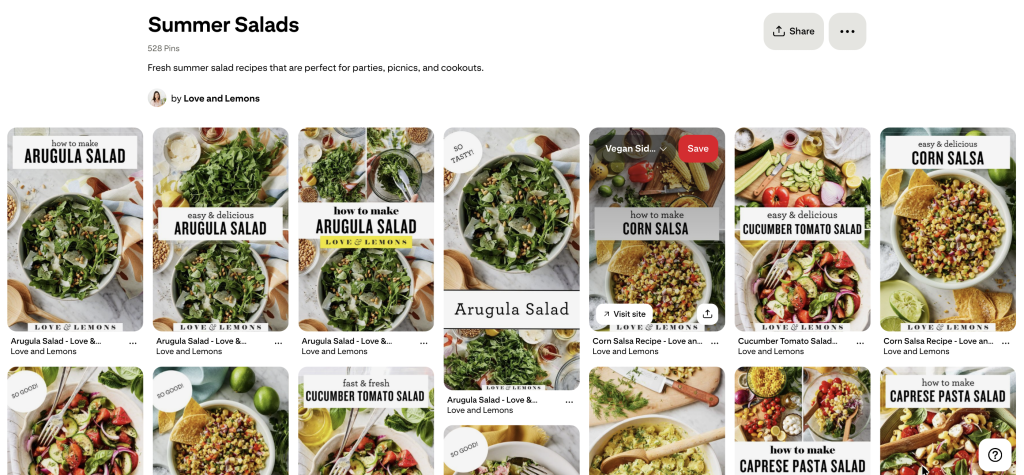
Fortunately, one piece of content can actually fuel weeks or even months of pins. Every time you create a new pin image for the same URL, whether that is a blog post, a product page, or a landing page, Pinterest treats it as fresh content and pushes your pin to more viewers. As long as you have a different image, different headline, and/or different keyword angle, you can add the same destination URL and count it as a new “fresh” pin.
Each new pin acts as another entry point for a different person searching for something slightly different, which means one blog post or product can generate dozens of opportunities to get discovered over time.
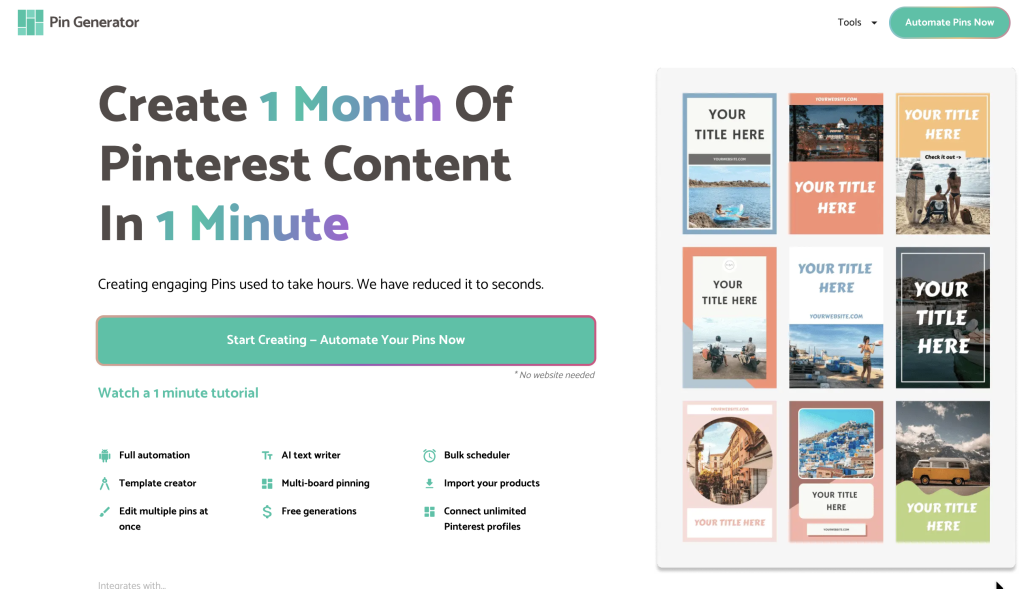
Creating a variety of pins to multiply your marketing is exactly the kind of workflow that Pin Generator is built to support. You connect your URLs, generate multiple pin variations quickly, and schedule them to go out over weeks so your account stays active without starting from scratch every time. There’s even a full-automation where Pin Generator connects to your website or shop and can create the pins for you automatically each month.
Myth 4: Pinterest is just a social media platform
One of the most damaging Pinterest myths is that it’s just another social media platform, because how you think about Pinterest completely changes how you use it.
Pinterest is not a social media platform, but rather a visual search engine similar to Google or YouTube. On Instagram or TikTok, content lives for 24 to 48 hours before it disappears into the feed. On Pinterest, a well-optimized pin can drive traffic for months or even years after you post it.
Nobody is scrolling a Pinterest feed waiting for you to post. Instead, people are actively searching Pinterest for specific things, and your job is to make sure your content shows up when they do.
Engagement metrics like likes and comments mean almost nothing on Pinterest compared to what they mean on other platforms. What matters is whether your pin shows up in search, whether people click on it, and whether they save it.
Myth 5: Affiliate links will get your account banned
The myth that affiliate links will get your Pinterest account banned is one that comes up constantly, and it comes from a place of genuine confusion because there is a lot of bad information out there about it.
Affiliate links are explicitly allowed on Pinterest. Pinterest’s own affiliate guidelines confirm this, and the platform is actually well suited for affiliate marketing because every pin has a destination link built into it and Pinterest actively wants people to click off the platform and make purchases.
The issue is usually never the affiliate links themselves, but rather the behavior around posting them. For example, posting the same affiliate link over and over in a short period of time is what gets accounts flagged. Using link shorteners like Bitly or TinyURL is what gets pins blocked. And failing to disclose that a pin contains affiliate links is what creates legal risk.
Always disclose your links, use your full affiliate URL, space out your pins, and create content that is genuinely useful rather than just a link dump in order to stay within Pinterest’s best practices.
Myth 6: Automation and AI tools will get you flagged
The idea that using automation and AI tools on Pinterest will get your account flagged is another myth worth clearing up, because there is a blurry line between what helps and what hurts.
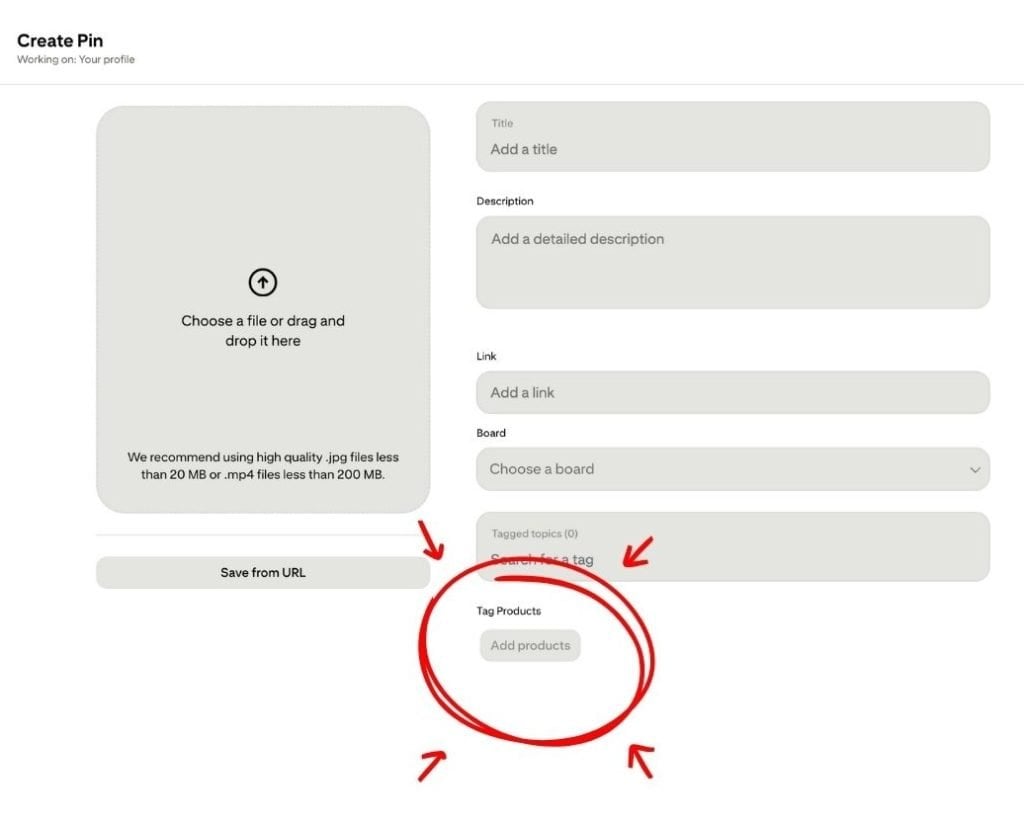
Pinterest actually encourages the use of scheduling tools, such as Pinterest’s own native scheduler, partners such as Tailwind, or common pin creation tools like Pin Generator or Canva.
Using tools to schedule and distribute your content consistently is allowed, when used appropriately. If you are spamming pins and pinning in a robotic-like manner, then Pinterest is going to flag your account. But if you’re using a scheduling tool to aid in marketing similar to that of a human (i.e., 1-3 pins per day or whatever matches the nature of your account), then Pinterest considers this a healthy use of third-party tools.
Pinterest penalizes mass automated behavior, fake engagement, bots that artificially inflate saves or clicks, and low quality AI generated content that adds no real value.
We always recommend using technology to help you do your job more efficiently, not replace your job. One is smart marketing, and the other is spam.

Ready to get started?
Pinterest rewards the people who understand how the platform actually works and show up consistently with content that answers what people are already searching for. If any of these myths were holding you back, now you have the full picture and it’s time to get started.
If you’re looking for more help, we recommend checking out our YouTube channel for beginner-friendly videos, or if you’re ready to dive in, you can try Pin Generator for free today.
Let’s get generating!