
5 Easy Passive Income Ideas for 2026 (No Camera Needed)
13 June 2026
If you’ve been researching passive income, you’ve probably noticed most advice online sounds either unrealistic or built for influencers with big audiences. Yet, the reality is most people don’t want to perform in front of a camera or show up to a job (even an online one) every day.
As remote work and non-office jobs increase in popularity, more people are looking for alternative ways to make money online and scale their income. It’s one thing to make money while trading time for dollars, but what if you could create something once and continuously earn income from it in the future?
This is the beauty of passive income.
What Passive Income Actually Means
You may have heard passive income described as making money without effort, but it helps to set expectations clearly before going further.
Passive income means you do the work now so you can benefit later. Whether that’s setting up an online shop or building one of the ideas in this article, it requires time upfront so it can continue earning without constant involvement. The income becomes scalable because the work isn’t repeated every time a sale happens.
If that sounds appealing, then these five easy passive income streams for 2026 are a strong place to start.
Prefer to watch instead of read? We walk through the top five easy passive income streams for 2026, including who they’re best for, how to market them, and behind the scenes clips of how the process is automated on our YouTube channel. You can watch the full video here:
Digital Products
Digital products remain one of the most reliable passive income options because you create the product once and can continue selling it over time.
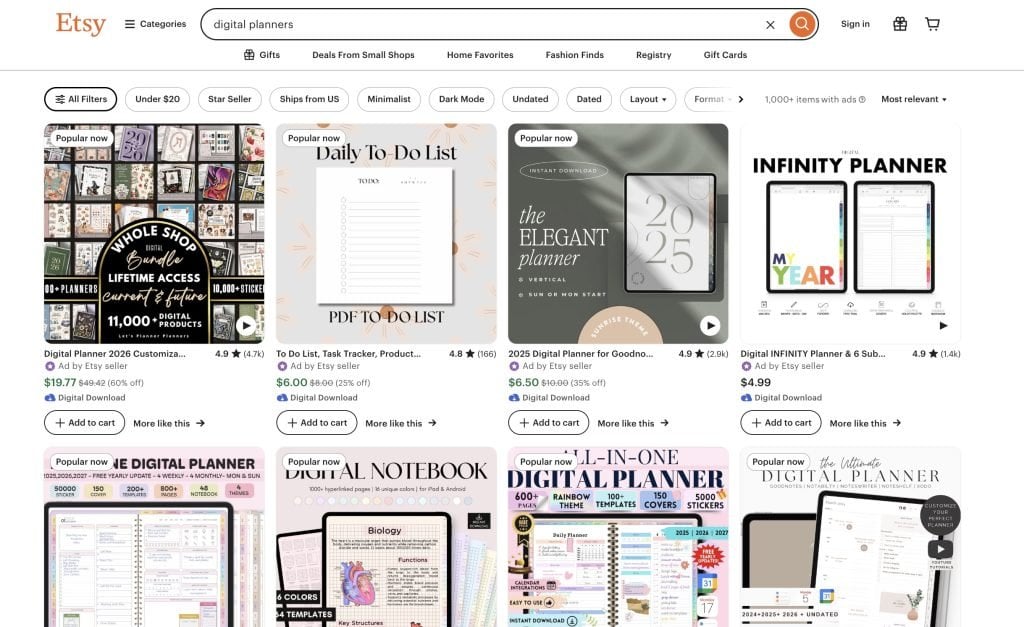
A digital product is simply a file someone downloads instead of a physical item being shipped. This could be an e-book, printable planner, budget spreadsheet, classroom resource, workout guide, recipe bundle, or design template. The format matters far less than the problem it solves.
Because nothing has to be packed or shipped, each sale doesn’t require additional work from you, which is what makes this model scalable.
You can host products on marketplaces like Etsy or sell them directly through your own website. What determines success isn’t the platform, it’s how well you market it. This is where search-based platforms like Pinterest work well, helping your products appear in front of people already looking for them. Pinterest behaves more like a discovery engine than social media, meaning a single product can be found months or even years after it’s published. And with over 600 million monthly users reported in the 2025 Q4 Pinterest Report, the platform continues to grow its audience base.
If you want to scale your marketing, using an automation tool like Pin Generator makes a big difference. It can pull your product information, generate ready-to-post pins in minutes, and schedule them consistently so your listings keep getting traffic without daily manual work.
Affiliate Marketing
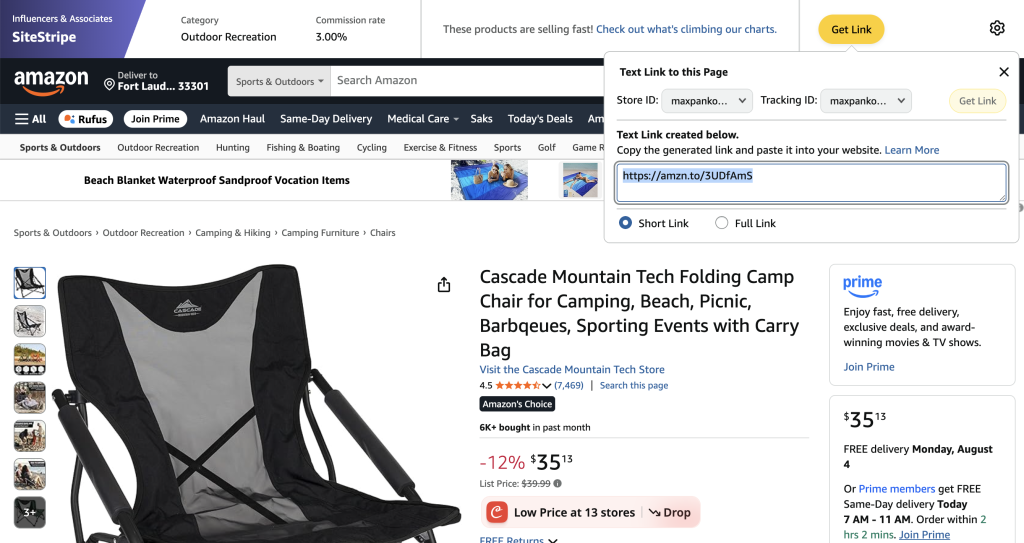
Affiliate marketing is one of the simplest ways to start earning online because you don’t create the product yourself. Instead, you recommend tools, items, or products you already use and earn a commission when someone purchases through your unique link. Your role is helping someone make a decision, not convincing them to buy something they never wanted.
This works best when paired with intent-based traffic, meaning people are already searching for a recommendation, comparison, or solution. Rather than interrupting someone’s day, you’re meeting them at the moment they’re actively trying to choose. Your content simply helps them feel confident about the option they pick.
Typically this looks like a blog post, resource page, or guide that explains your experience and answers common questions. Over time those pages continue getting discovered through search platforms like Pinterest, which makes affiliate marketing especially well suited for long-term traffic instead of daily posting.
Just like with digital products, the biggest factor isn’t how many followers you have, it’s whether your content shows up when someone is already looking for what you’re talking about.
Blogging
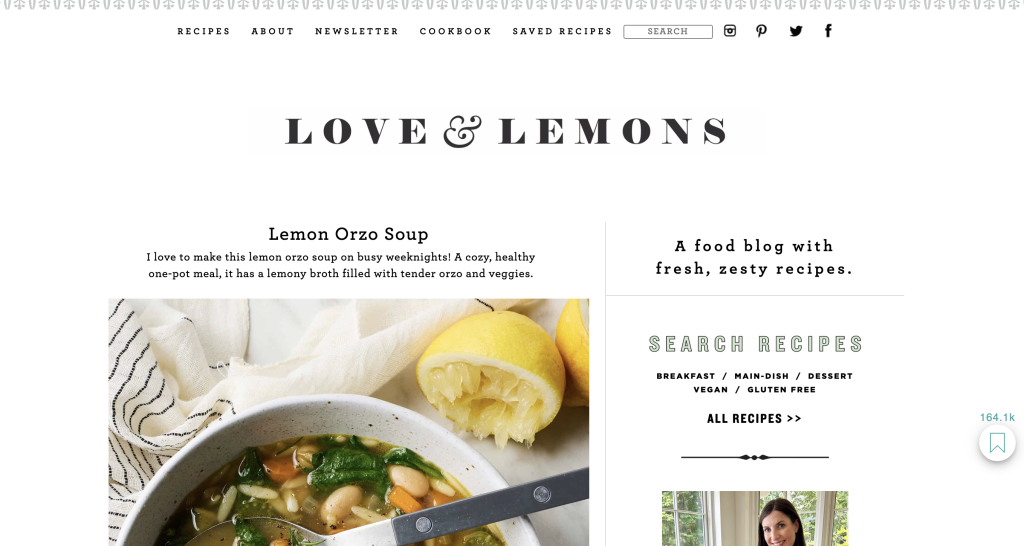
Blogging is when you run your own website and publish articles or resources around a specific topic, such as recipes, mental health, travel planning, or fitness. Instead of posting short updates on social media, you build a library of helpful content that people can discover through search.
Most blogs earn money in two main ways: affiliate links and display ads. Affiliate links pay when someone purchases through your recommendation, while ads pay simply because people visit your pages. As your content grows, older articles can continue bringing traffic long after they’re written.
The advantage of blogging is that it compounds. One article might not do much on its own, but dozens of helpful posts build authority over time. Search platforms begin to understand what your site is about and send more of the right readers your way.
You don’t need to be a professional writer. You just need to answer questions clearly, stay consistent, and share your articles on relevant platforms so your site becomes a reliable resource people return to.
Selling Templates
Templates are technically a type of digital product, but they deserve their own category because they sell convenience rather than information. Instead of teaching someone how to do something, you give them a ready-made starting point they can immediately use.
For example, a digital guide might explain how to track your workouts, while a template would be the tracker itself. That could be a printable fitness tracker, a budgeting spreadsheet, a Notion dashboard, a content calendar, or a presentation layout. People buy templates because they don’t want to build systems from scratch.
This makes templates appealing if you enjoy organizing workflows, designing layouts, or simplifying repetitive tasks. Once created, the same template can be downloaded endlessly without additional effort.
As with other digital products, success comes from visibility. When your templates appear in search results on platforms like Pinterest, they can continue getting discovered and downloaded without daily promotion.

Print on Demand
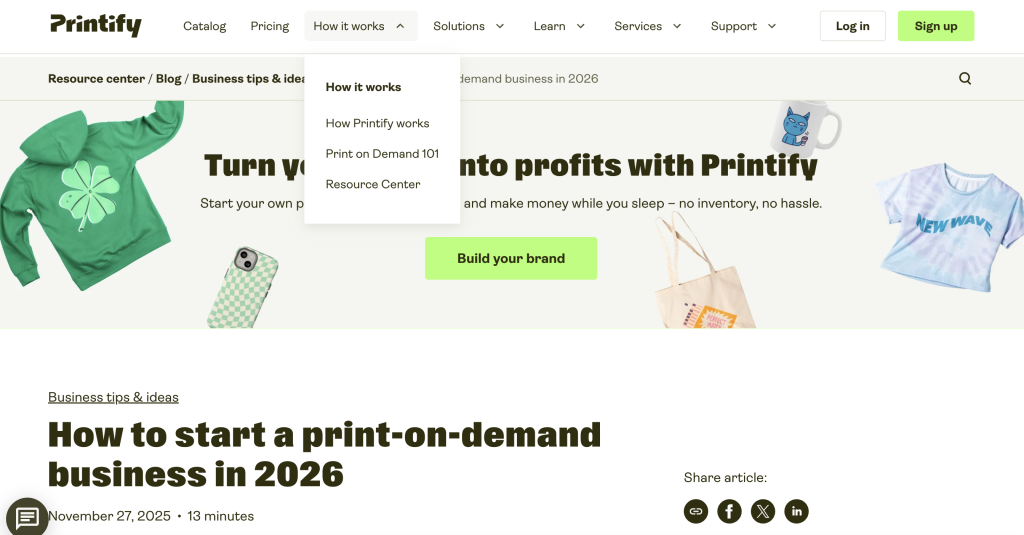
Print on demand is a business model where you create designs that get printed onto physical products only after someone buys them. Examples of print on demand items include mugs, tote bags, posters, phone cases, notebooks, or clothing.
An important thing to note about print on demand is that you don’t hold any inventory. A third-party service connects your artwork to blank products, handles printing, shipping, and customer service, and you earn a profit from each sale. Your focus stays on ideas and marketing rather than fulfillment.
Because of this, print on demand works well for quotes, niche humor, hobbies, or simple graphics tied to specific audiences. You’re essentially creating designs people want to wear or display rather than teaching them something.
Like the other ideas in this article, it benefits from search-based traffic. When people look for a specific style or theme, your product can appear long after it was first uploaded, allowing the listing to keep selling without daily involvement.
Getting Started
You don’t need to pursue every idea in this list to make progress. In most cases, trying to build multiple income streams at once slows you down because each one requires its own learning curve, setup, and marketing system. It’s far more effective to pick one path that fits your skills and commit to it long enough to see traction.
A simple way to choose is to look at what you already do naturally. If you enjoy organizing information, digital products or templates make sense. If you like researching and recommending tools, affiliate marketing fits well. If you prefer writing and explaining ideas, blogging is a strong long-term option. And if you enjoy simple design work, print on demand is a good place to start.
After you’ve created your product, resource, or content, marketing becomes the most important part. Pinterest works well for all of these models, whether you host them on Etsy, your own site, or a third-party platform, because people are actively searching for solutions there rather than scrolling for entertainment.
When you’re ready to scale that marketing, using an automation tool can save a huge amount of time. We recommend trying Pin Generator (try for free) to create Pinterest-ready pins in minutes and keep your content consistently visible.
What are you waiting for? Let’s get generating.